The Pearl and The Parasite: The Truth About Inner Armor, OCD, and Shame
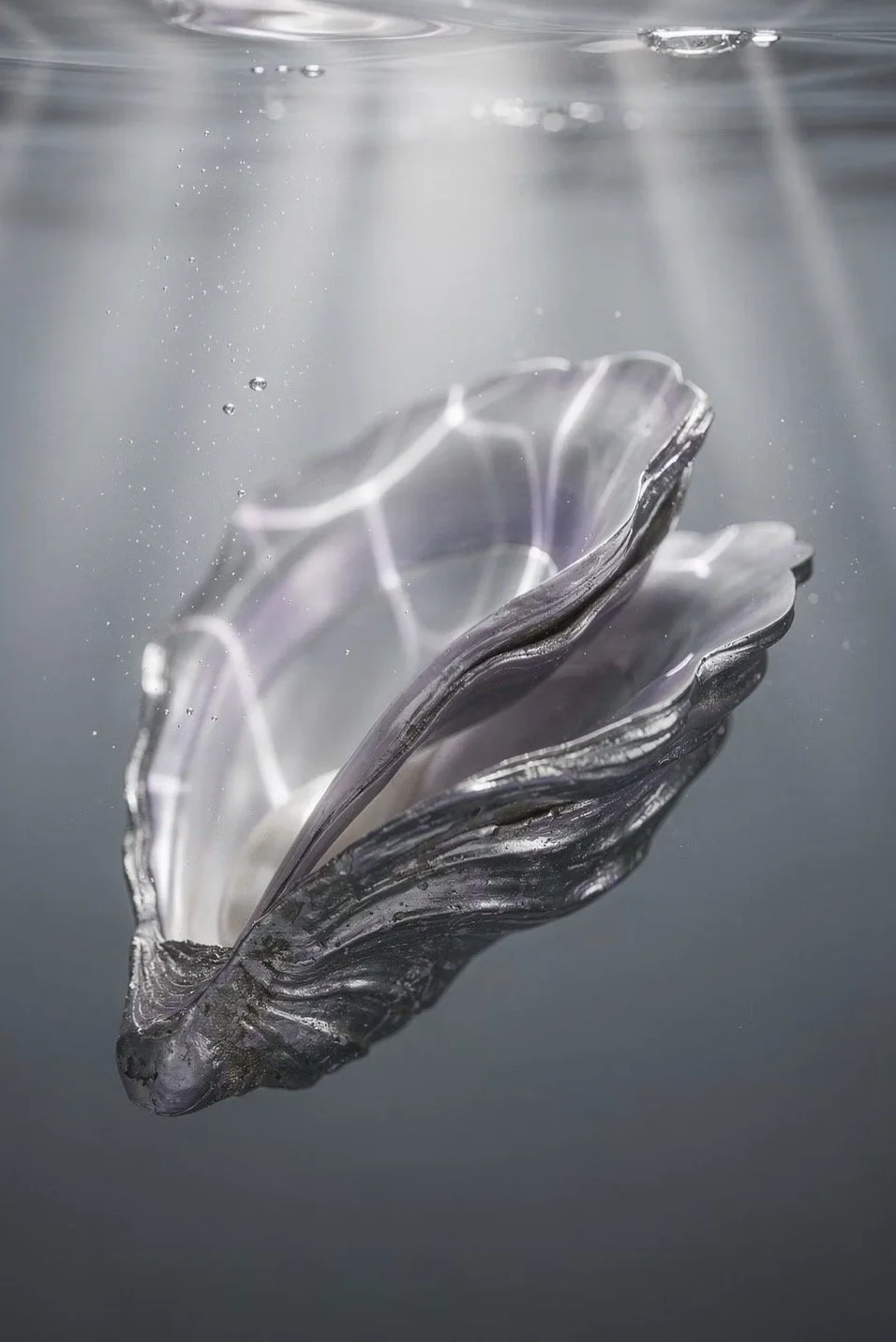
We’ve all heard the poetically convenient tale of how pearls are formed. A tiny, harmless grain of sand slips into an oyster’s shell, irritating the soft tissue until the creature transforms its minor discomfort into a lustrous, world-renowned gem. It's a comforting metaphor—one that tells us our everyday nuisances and minor annoyances can magically turn into beauty if we just give them time.
Except biologically, the grain of sand story is a myth.
Oysters live on the ocean floor. Sand is literally their home; they expel grains of sand and minor debris continuously without incident. They have fine-tuned biological mechanisms designed to sweep away everyday irritants and move on.
A natural pearl rarely forms because of a grain of sand. A pearl forms when a parasite—a tiny intruder—drills through the hard outer shell and attacks the oyster's soft, vulnerable body inside.
It is not a minor nuisance. It is a violation.
When we reframe the biology of the pearl, a hauntingly precise metaphor emerges—one that sheds deep light on psychological trauma, shame, and the mechanics of OCD.
1. The Intruder: The Original Pain is Not a Nuisance
When a parasite breaches an oyster’s shell, it penetrates the creature’s defenses and lodges itself directly into the soft tissue.
In human terms, this represents trauma or the original pain. It isn't a minor irritation like a bad day at work or a fleeting disagreement. It is a violation that breaches a person's core sense of safety:
A sudden car accident
A hypercritical or emotionally abusive parent
Surviving a global pandemic
These experiences are not grains of sand. They are intruders that break through our boundaries when we are unprepared or unprotected.

2. Failed Expulsion: When Emotional Processing Stalls
Normally, when something enters our emotional environment, our psyche processes it. We cry, we talk, we tremble, we grieve—we "flush out" the fear or shame, just as the oyster expels everyday debris.
However, if the intruder lodges too deeply into soft tissue, the normal expulsion mechanisms fail.
When the psyche cannot flush out the intense fear or shame, the emotional processing system undergoes a fundamental pivot: it shifts from processing the event to entombing it.
This is where the OCD process and compulsive coping mechanisms begin. The mind realizes it cannot eliminate the threat, so it decides to bury it under relentless defenses.
3. Nacre: Internalizing the Armor
To protect its soft body from the lodged parasite, the oyster secretes nacre (mother-of-pearl)—the exact same substance it uses to build its hard exterior shell.
Think about the physical reality of this moment: The oyster is deploying shell-stuff inside its own body.
The oyster isn't trying to create a piece of high-end jewelry for human vanity. It is internalizing its armor because its outer boundary failed.
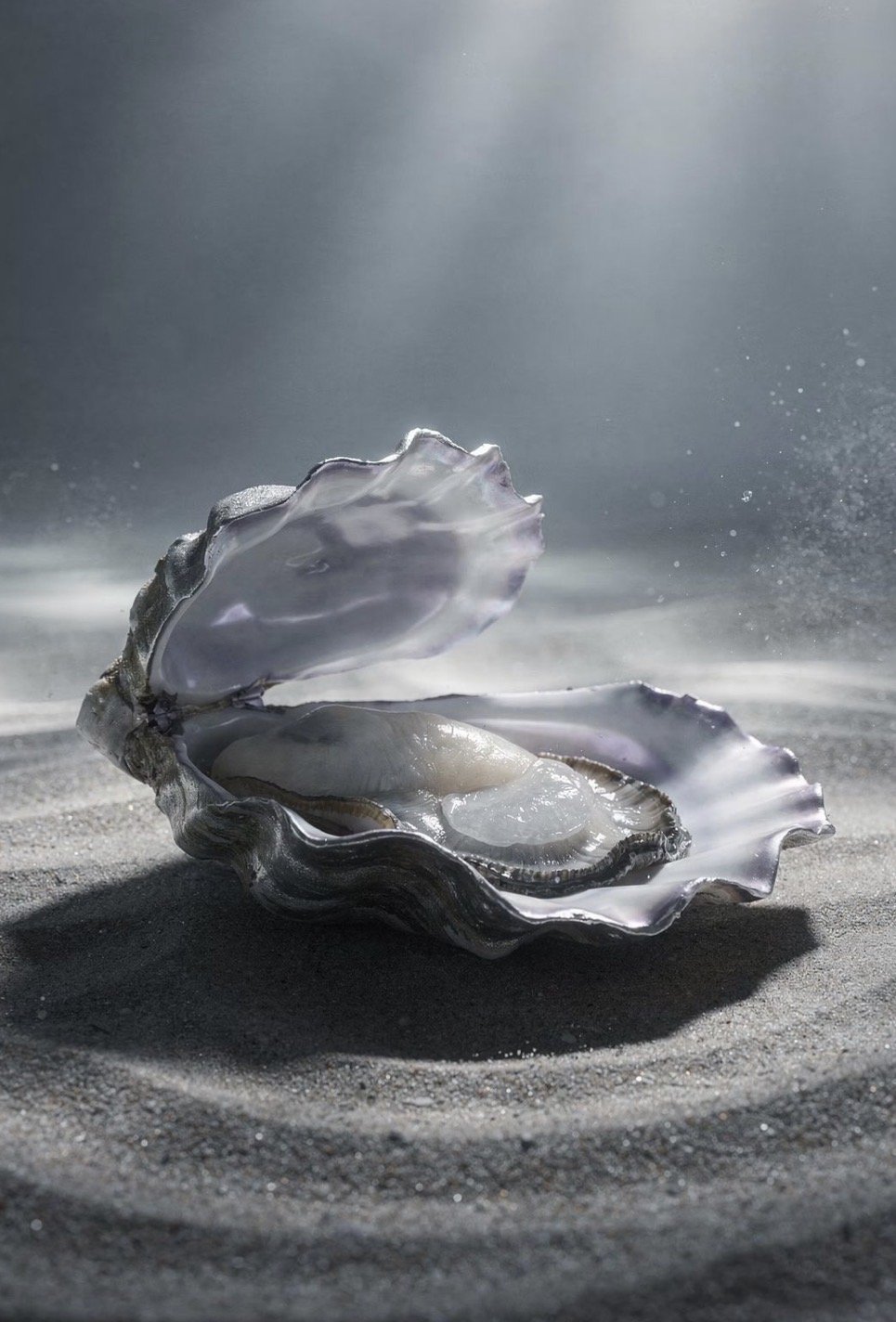
This is precisely what happens in OCD and trauma-driven behaviors. The rituals, the checking, the endless mental loops, the reassurance-seeking, and the emotional hyper-vigilance are layers of internal nacre. They are compulsive, automatic attempts to coat a core nucleus of shame or fear with rigid armor.
4. Layer After Layer: The High Cost of Defense
Because the parasite remains trapped in the soft tissue, the biological system never receives the signal that the threat is gone:
1. The Parasite Remains: The original pain is entombed, not resolved.
2. Armor Keeps Building: The mind compulsively coats the threat with more rules, rituals, and hyper-vigilance—layer after layer, day after day.
3. A Heavy Mass: Over time, the internal armor hardens into a dense, stony mass.
The biological cost to the oyster is immense:
Diverted Energy: Resources spent secreting nacre are stolen from growth and vital functions.
Rigidity: Where the oyster was once flexible and soft, it becomes rigid and locked around its "treasure" of pain.
This is the definition of a Life Unenjoyed. When your internal resources are fully consumed by building defenses against an entombed fear, there is very little energy left over for connection, joy, play, or growth.
5. You Are Not a Pearl-Maker; You Are a Survivor
To the outside world, a pearl looks smooth, pristine, and valuable. People might look at your high functioning, your extreme attention to detail, or your perfectionism and admire how well-adjusted or polished you seem.
But to you, that pearl is a heavy stone occupying the exact space where your life was supposed to be.
If you have lived with OCD, chronic anxiety, or deep-seated shame, understand this:
Your rituals are not irrational: They are internalized armor.
Your rigidity is not a character flaw: It was a survival strategy when your boundaries were breached.
You have been carrying a fortress inside your heart.
The armor kept you safe when the intruder was active. It helped you survive the breach. But the armor was never meant to be permanent, and you do not have to spend the rest of your life secreting shell-stuff inside your own body.
It is safe, slowly and with support, to learn how to be soft again.